
Stress is an inevitable part of modern life, affecting people regardless of age or background. While medication can be helpful in managing severe cases, many individuals seek ways to relieve stress without pharmaceutical intervention. Various techniques rooted in lifestyle changes and mindfulness practices offer effective alternatives for reducing tension and promoting mental well-being.
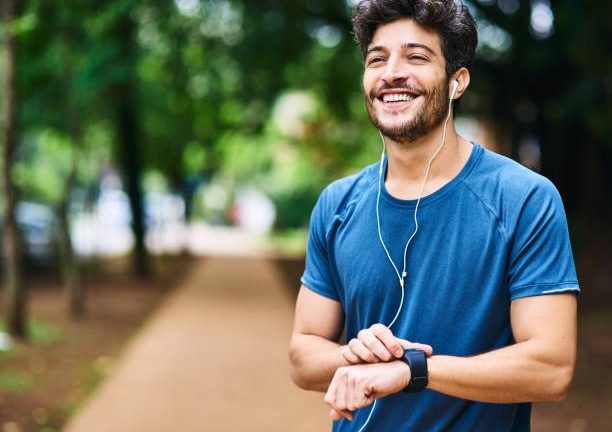
One widely recognized approach involves physical activity. Exercise stimulates the production of endorphins, natural chemicals in the brain that act as mood elevators. Engaging in regular aerobic activities such as walking, jogging, or swimming helps lower cortisol levels-the hormone primarily responsible for stress-and improves overall energy and sleep quality. Even moderate exercise performed consistently can create a significant impact on emotional resilience.
Mindfulness meditation has gained popularity as another valuable method for stress reduction. This practice encourages focusing attention on the present moment without judgment, which can diminish anxiety caused by dwelling on past events or worrying about future outcomes. By training the mind to observe thoughts calmly and objectively, individuals develop greater emotional control and experience a sense of inner peace that counters stressful feelings.
Deep breathing exercises also serve as practical tools for immediate relief during moments of heightened tension. Techniques like diaphragmatic breathing slow down heart rate and strongest thc edibles promote relaxation by activating the parasympathetic nervous system-the body’s natural calming mechanism. Practicing controlled inhalations and exhalations several times daily enhances oxygen flow to tissues while reducing muscle tightness commonly associated with stress.
Another effective strategy is maintaining strong social connections. Sharing concerns with trusted friends or family members provides emotional support that alleviates feelings of isolation often linked to stress. Engaging in meaningful conversations fosters empathy and understanding while offering new perspectives on challenging situations.
In addition to interpersonal interactions, establishing consistent routines contributes significantly to lowering stress levels. Regular sleep patterns ensure adequate rest necessary for cognitive function and mood regulation; erratic schedules tend to exacerbate anxiety symptoms over time. Balanced nutrition plays a complementary role by supplying essential nutrients required for optimal brain health.
Creative outlets such as art, music, or writing allow expression of emotions that might otherwise remain suppressed under pressure-filled circumstances. These activities encourage relaxation through focused engagement while stimulating positive neural pathways associated with joy and satisfaction.
Implementing these non-medication techniques requires patience and commitment but yields long-term benefits beyond temporary symptom relief. Combining physical movement with mindfulness practices creates synergy that strengthens coping mechanisms against daily stresses encountered at work or home environments alike.
Overall, adopting holistic methods centered around lifestyle adjustments empowers individuals to regain control over their mental state naturally without relying solely on drugs-promoting sustainable well-being through accessible means anyone can incorporate into their routine effectively.
